
Top 7 Tips for Pruning Tree Branches for Healthy Growth
Prune your trees during the dormant season, like late fall or winter, to boost spring growth. Use clean, sharp tools to avoid disease spread. Cut branches just outside the collar and cut diseased wood first, removing no more than 25% of the canopy. For trees near power lines or with storm damage, call an expert. Maintaining tree health begins with these steps is important to have a better pruning result.
What’s the Right Way to Prune Tree Branches?
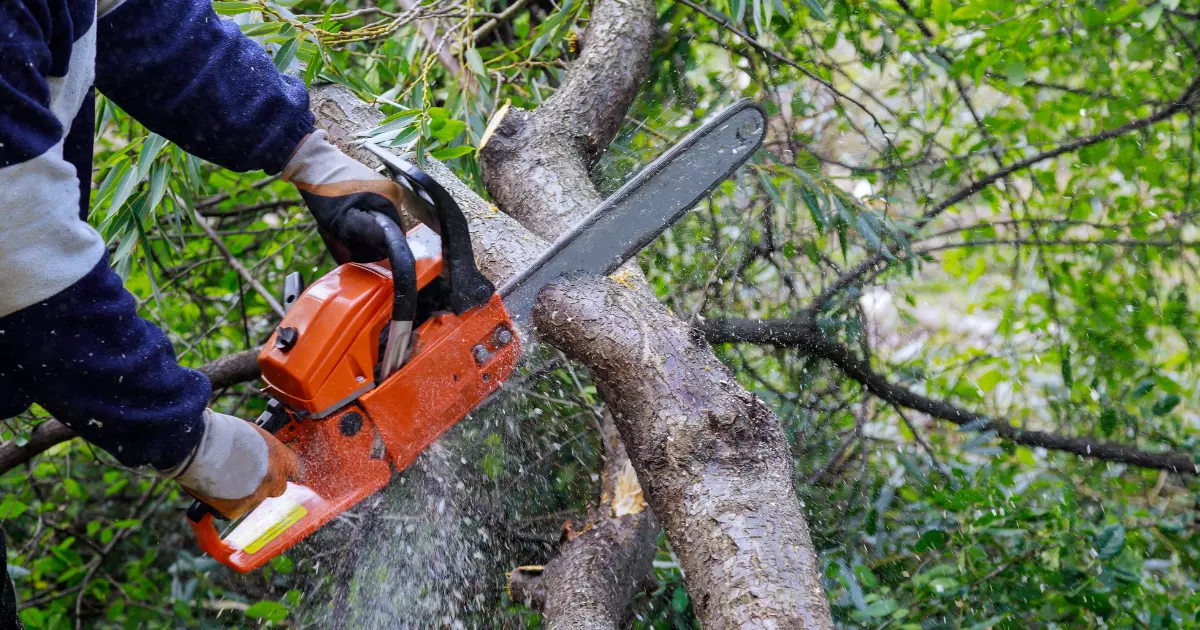
To prune tree branches correctly, start by choosing the right season since timing affects tree health. Make sure you’re using clean, sharp tools for smooth cuts and to prevent disease. Focus on cutting in the correct spots. Also, focus on removing branches that are dead, damaged, or growing inwards.
Choose the Right Season
It’s tempting to grab your pruning shears when you notice overgrown branches. But choosing the right time to cut is important for your tree’s health. Trees are healthier when trimmed in the dormant season, which is late fall or winter. Cutting during this time helps lower the stress on your tree.
Use Clean and Sharp Tools
Check if your tools are clean and sharp before you start pruning tree branches. Sanitize tools to prevent spreading diseases between plants. Sharpen pruning tools regularly to make precise cuts, reducing stress on the tree. Pruning shears should be your go-to choice for smaller branches. Avoid using wound paints on cuts, as they can trap moisture and lead to decay.
Know Where to Cut
When pruning tree branches, it’s important to know exactly where to make your cuts. Focus on finding the branch collars and the branch bark ridge, as these are important for proper tree pruning methods. Cut just outside the branch collar without damaging it for effective branch removal. This makes your tree healthier and prevents harm.
Remove the Right Branches First
Now that you know where to make your cuts, it’s important to focus on selecting the right branches to prune. Start by removing any diseased wood, so your tree stays healthy. Use a pruning saw to carefully cut away co-dominant stems that ruin the natural branch structure. Focusing on these problems helps avoid future issues and promotes a strong, balanced tree growth.
How Do You Shape a Tree Without Hurting It?
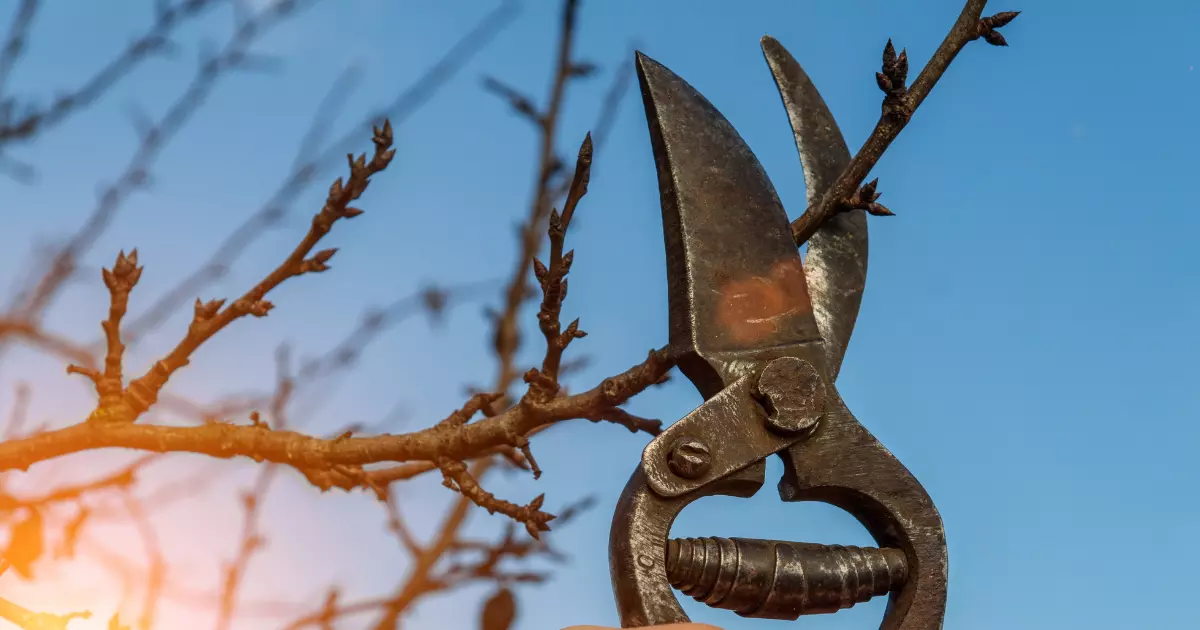
To shape a tree without causing harm, you should avoid over-pruning, as removing too much can stress the tree. Focus on making clean, precise cuts outside the branch collar to promote healing. For large branches, use proper techniques like the three-cut method to prevent bark tearing.
Avoid Over-Pruning
Although pruning is essential for maintaining a tree’s health and structure, over-pruning can lead to more harm than good. Focus on crown thinning through careful thinning cuts for healthy growth. This form of preventive maintenance enhances tree health by allowing better air circulation and light penetration. Never cut more than 25% of the canopy to protect your tree.
Make the Right Cuts
Shaping a tree the right way means knowing how it grows naturally. Start by making clean heading cuts to shorten tree branches without leaving rough branch stubs. Use reduction cuts to make big branches smaller while maintaining the tree’s shape. Always cut just outside the branch collar to avoid damaging the tree and provide a natural healing process.
Use Proper Techniques for Large Branches
Managing large branches needs thoughtful planning and the right pruning techniques to make sure you don’t harm the tree. Start with crown reduction pruning to maintain the tree’s natural shape. Use lopping shears for clean cuts on scaffold branches, making sure you leave enough space for callus tissue to form. This promotes healing and prevents disease in your trees.
When Should You Call a Tree Pruning Expert?
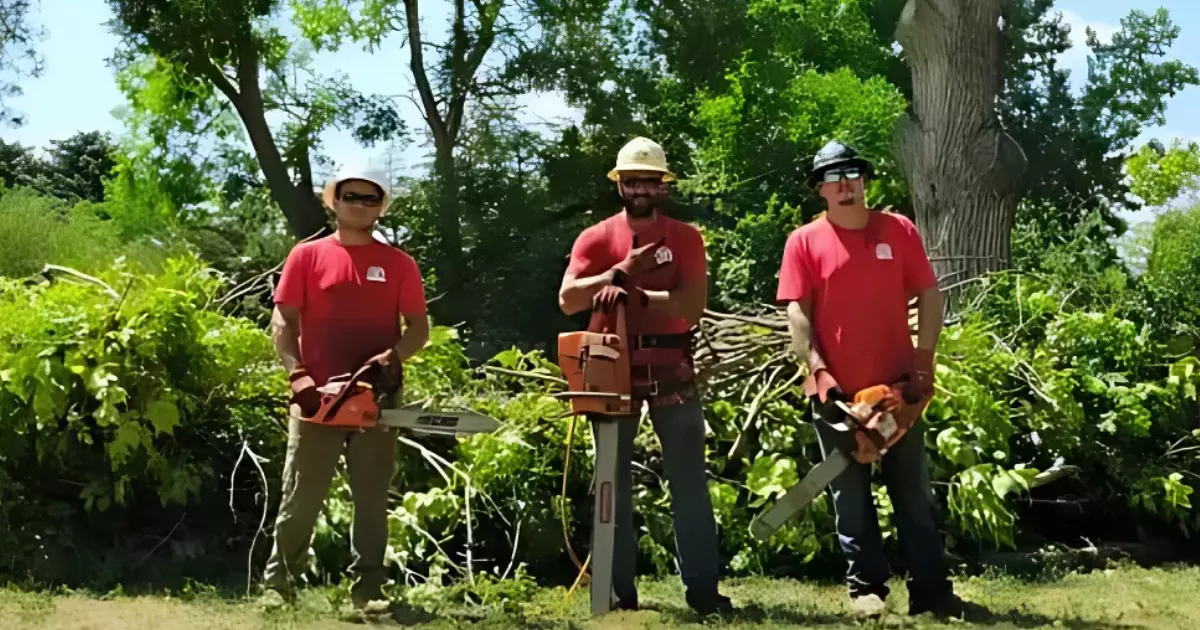
If you’ve got a tree growing dangerously close to power lines or if you’re dealing with large or tall trees, it’s wise to call in a tree pruning expert. They have the tools and know-how to handle risky jobs, like storm damage that weakens branches or makes trees unstable. Don’t put yourself in danger by trying to do these tough jobs alone.
Tree Near Power Lines
Trees growing near power lines can be dangerous. Overgrown branches may hit the lines and cause problems. When tree pruning is needed, it’s best to call professionals. They can handle crown reduction and trimming near lines using the right tools. Stay safe by hiring experts who know how to work around power lines safely.
Large or Tall Trees
Like trees near power lines, tall trees also need professionals to handle the job. Trying to do it by yourself can be dangerous if you don’t have the right tools, like pole saws. Professionals use gear with extendable reach to make clean cuts and keep the trees healthy. Don’t put yourself in danger and call someone trained to work on tall trees.
Storm Damage
After the storm, tree branches can be dangerous, leading to potential property damage or personal injury. Manage storm damage carefully. If wind damage has weakened large limbs, it’s better to call a tree pruning expert. They’ll have the mechanical advantage and tools like Fiskars saws to safely manage the situation. Let professionals handle precarious branches after severe weather.
Frequently Asked Questions
What Tools Are Best for Pruning Different Tree Types?
When pruning, use bypass pruners for small branches, loppers for medium ones, and a pruning saw for larger limbs. For thicker wood, a chainsaw might be necessary. Always match the tool to your tree’s branch size.
How Often Should You Prune Young Trees?
You should prune young trees annually during their dormant season. Focus on removing dead or damaged branches. This encourages stronger growth and better shape, helping them naturally grow into healthy, well-structured trees over time.
Can Pruning Help Prevent Tree Diseases?
Yes, pruning can help prevent tree diseases by removing dead or infected branches, improving air circulation, and promoting healthy growth. You’ll create a stronger tree, reducing the risk of disease spreading to other parts.
What Is the Impact of Climate on Tree Pruning?
Climate impacts when you should prune trees. In colder climates, prune during dormancy. In warmer regions, avoid pruning during extreme heat. Seasonal weather changes affect tree health, so adjust your pruning schedule accordingly.
Are There Specific Seasons for Pruning Fruit Trees?
Yes, you should prune fruit trees in late winter or early spring before new growth starts. This timing helps trees heal faster and ensures better fruit production by directing energy to developing branches and buds.
Wrapping Up
Pruning tree branches is one of the smartest ways to keep your trees healthy, strong, and safe. When done right, it improves the tree’s shape, removes weak or damaged limbs, and supports long-term growth. It also keeps your yard safer and your property looking great all year round.
If you’re unsure where to start or want expert help, Precision Timber Felling is here for you. We know what your trees need and how to care for them the right way. Located in Loveland, our team uses safe, proven methods to prune trees without damage. We don’t just cut, we care about tree health, structure, and long-term growth. That’s what sets us apart.
Let us help you take care of your trees the right way. Call 970-218-1620 today for expert pruning you can trust.