Smart Construction Debris Removal for Every Project
To manage construction debris smartly, focus on cost-effective, compliant, and eco-friendly options. You can recycle materials such as concrete, wood, and metal, thereby reducing the impact on landfills. Consider hiring a debris removal service or renting a dumpster. Check local regulations to avoid fines and ensure proper disposal. Costs vary, so compare quotes for the best deal. Explore recycling partnerships and sustainable practices for long-term benefits.
What Is Considered Construction Debris?
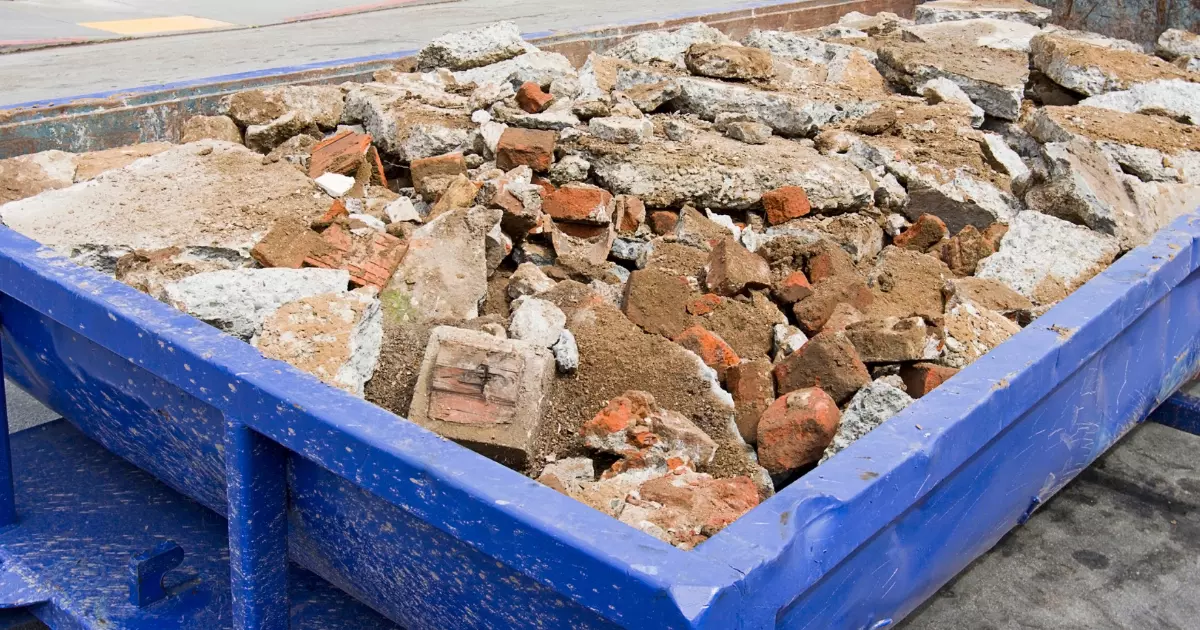
When you deal with construction debris, it helps to know what counts. You’ll often see remodeling waste like wood, drywall, and concrete. But don’t forget the hazardous materials like asbestos. Knowing what’s what makes it easier to handle debris the right way.
Let’s break these down and see how smart choices can keep your project safe and clean.
Demolition Debris
Demolition debris makes up a large part of construction waste. It often includes wood, bricks, concrete, and metal. Demolition debris removal matters because some items may contain hazardous materials that can harm people and nature. Choose eco-friendly disposal methods and partner with recycling services to cut landfill impact.
Remodeling Debris
Remodeling debris is a special kind of construction debris. It often includes drywall, flooring, old fixtures, and insulation. To handle construction waste removal, it helps to hire a junk removal company. They can arrange materials, recycle what they can, and make the cleanup better for the environment while keeping your remodel on track.
Hazardous Materials
Identifying hazardous materials is key to avoiding any health and environmental risk on a construction project. Watch out for things like asbestos, lead, and chemical waste. These are common hazardous materials found on building sites. If you throw them anywhere you want, they become solid waste that pollutes the land and water.
What Are the Best Construction Debris Removal Options?
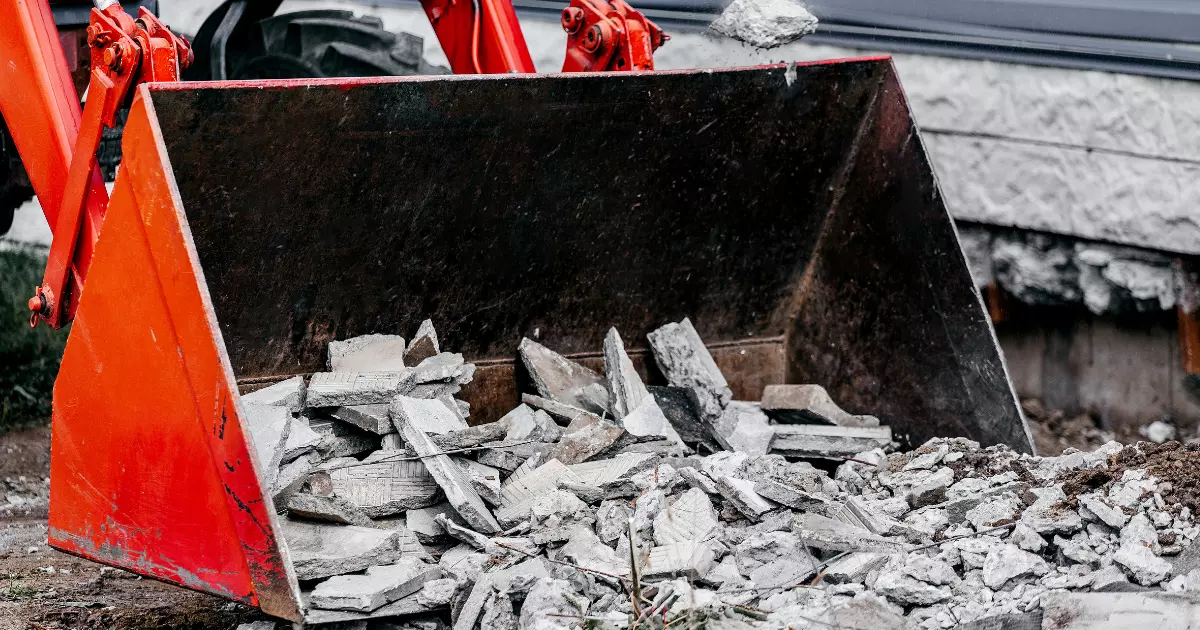
When it’s time to clean up the mess, think about hiring a debris pickup service that takes care of everything for you. If you want more control, renting a dumpster lets you toss out materials when it works best for you. For easy clean-up, check if curbside pickup is an option in your area so you can get rid of waste without much hassle.
Debris Pickup Services
Clearing construction debris can be tough, but a debris pickup service helps make it simple. You only need to set a schedule, and a junk removal truck comes to haul off the construction site trash. Many of these services also offer curbside pickup, so the waste is gone without much hassle. This takes the load off your hands, so you can stay focused on getting the project done without dealing with the clutter.
Dumpster Rental
Renting a dumpster provides a practical solution for handling construction debris. You’ll find it easy to manage waste at your construction site. With a dumpster rental, you get reliable disposal services for your project’s needs. Watch out for cost factors like rental duration, dumpster size, and location-specific fees.
Curbside Pickup
One convenient method for disposing of construction debris is scheduling curbside pickup. Many waste disposal companies offer this service, allowing you to leave your debris at the curb simply. They often have recycling partnerships to ensure eco-friendly practices, reducing landfill waste.
Where to Recycle Construction Debris?
You might not know it, but much of construction waste doesn’t have to end up in the trash. Many of these materials can be used again if sorted the right way. Choosing eco-friendly disposal methods helps your project stay clean and safe for the environment. Building strong recycling partnerships also helps you get smartly rid of waste smartly.
Recyclable Materials
Many construction materials, like concrete, wood, and metal, can be turned into recyclable items. By recycling these into usable materials, you’re not only reducing landfill waste but also creating new building supplies. Embrace recycling to make a huge difference in construction practices.
Eco-Friendly Disposal
Recycling construction waste helps build in a way that’s better for the planet. Using eco-friendly disposal methods adds more value by keeping trash out of landfills. You can take things like construction and demolition debris and turn them into new uses instead of throwing them out. Some of that waste even helps make renewable fuel, which keeps the air cleaner and supports smart building practices.
Recycling Partnerships
Some people don’t see the value in construction waste, but the right recycling partnerships can change that. Working with the right teams helps you recover more from mixed debris and cut down on what gets tossed. These partners also bring LEED standard options that keep your project clean, smart, and rules-compliant.
How Do I Stay Compliant with Local Disposal Rules?
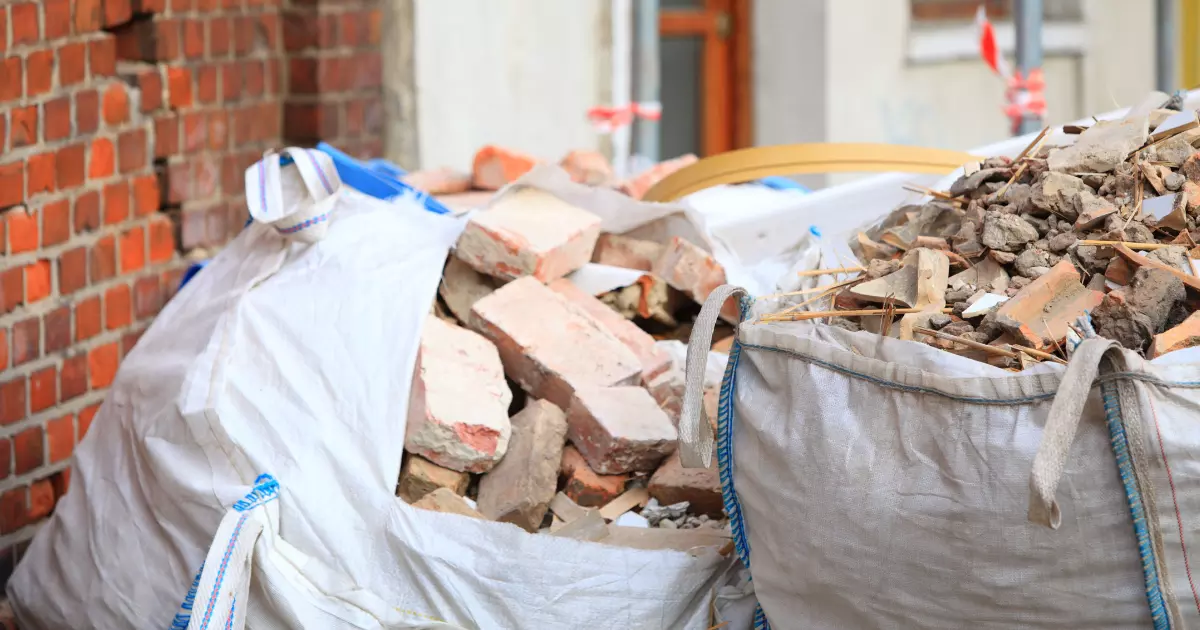
To follow your city’s disposal rules, you need to know your city’s regulations about construction debris. Learn if you need a permit and check the landfill rules that may affect your cleanup or building plans. You can also follow LEED standards and other green methods to help the planet and follow local environmental rules. These steps help keep your work clean, legal, and better for the environment.
City Regulations Overview
Following city regulations for construction projects can be tricky, but knowing them keeps you out of trouble. Each city has its own rules on how to sort waste and deal with disposal fees. You need to check local landfill fees and learn how recycling works in your area. When you know the rules, you avoid fines and keep your project from any delays.
Permit and Landfill Rules
When starting a construction project, you need to know the rules about permits, landfill regulations, and local disposal rules. During construction work and post-construction clearing, the right permits help you legally handle renovation debris. Look into your city’s permit needs and landfill rules so you don’t get fined or held up. This helps you stay on track and dispose of waste the right way.
LEED Standards and Green Practices
To follow the rules, use LEED standards to help you choose eco-friendly options for building and cleanup. Try to recycle building materials and handle concrete removal in a way that lowers what goes to the landfill. These steps help the environment and make your project stronger in the eyes of the community. They also support long-term results that matter.
Frequently Asked Questions
What Should I Look for in a Debris Removal Company?
Choosing the right debris removal company can make the post-construction cleanup process easier. Find one with strong customer service so you get clear answers and a helpful crew. Look for upfront pricing so there are no surprise costs. Ask about truck volume to check if they can haul everything, which matters most for commercial customers with big jobs. The right team makes the whole process smoother.
Why Is Eco-Friendly Debris Removal Important?
Once you’ve chosen a reliable debris removal company, think about the environmental impact of the cleanup process. A green cleanup cuts down on trash sent to landfills and helps more items get recycled. This matters in jobs like abandoned property cleanup, old roofing materials, or piles of scrap metal. Choosing cleaner practices shows that caring for the planet is essential and not optional.
How Does Debris Removal Affect the Environment?
When thinking about how debris removal affects the planet, it helps to look at both the direct and indirect impacts. Heavy materials from jobs like mobile home demolition and concrete removal add more waste to landfills. This contributes to pollution and depletion of natural resources. Using eco-friendly practices helps lower that impact and supports a cleaner world.
What Are My Disposal Options for Heavy Materials?
Understanding the environmental impact of debris removal shows why smart disposal matters, especially with heavy materials. Consider recycling or donating roofing tiles, bathroom and kitchen tearouts, and vinyl siding. Renting a roll-off dumpster works well for big cleanups. These steps help protect the planet while managing waste responsibly.
How Much Does Construction Debris Removal Cost?
Costs vary widely, depending on factors like debris volume, location, and service choice. You might pay $200 to $600 for a small project, while larger jobs could run $1,000 or more. Dumpster rentals, hauling services, and landfill fees all contribute. Research local providers, compare pricing, and check if you’re choosing an eco-friendly, compliant option for the best removal service.
Wrapping Up
Construction debris removal is more than just clearing waste, but also about keeping your site safe, staying within the law, and protecting the environment. Whether you’re handling a small remodel or a full demolition, proper debris removal saves you time, money, and stress.
At Precision Timber Felling, we make cleanup easy and worry-free. Located in Loveland, our team brings years of hands-on experience, eco-friendly practices, and real customer care to every job. We handle the heavy lifting so you can focus on the work that matters most. No hidden fees. No guesswork. Just a reliable service you can trust.
If you’re ready to take debris off your to-do list, we’re here to help. Call us today at 970-218-1620 and let’s clear the way for your next big project, with speed, care, and a crew who knows construction like the back of their hand.