
How Tree Cutting Contractors Prevent Property Damage
Tree cutting contractors do more than remove branches—they help stop damage before it happens. Each year, falling trees and big branches damage homes, cars, and power lines. But many people don’t see the danger until it’s too late.
Overgrown trees, dead branches, or weak trees aren’t just messy—they’re risky. Without expert tree removal or pruning, one strong wind or heavy rain can turn your yard into a costly mess. That’s why many homeowners call tree cutting specialists—or even certified arborists—to do the job right. Both work with trees, but their roles can be different.
Keep reading to learn how expert tree cutting can protect your home.
What Do Tree Cutting Contractors Do?
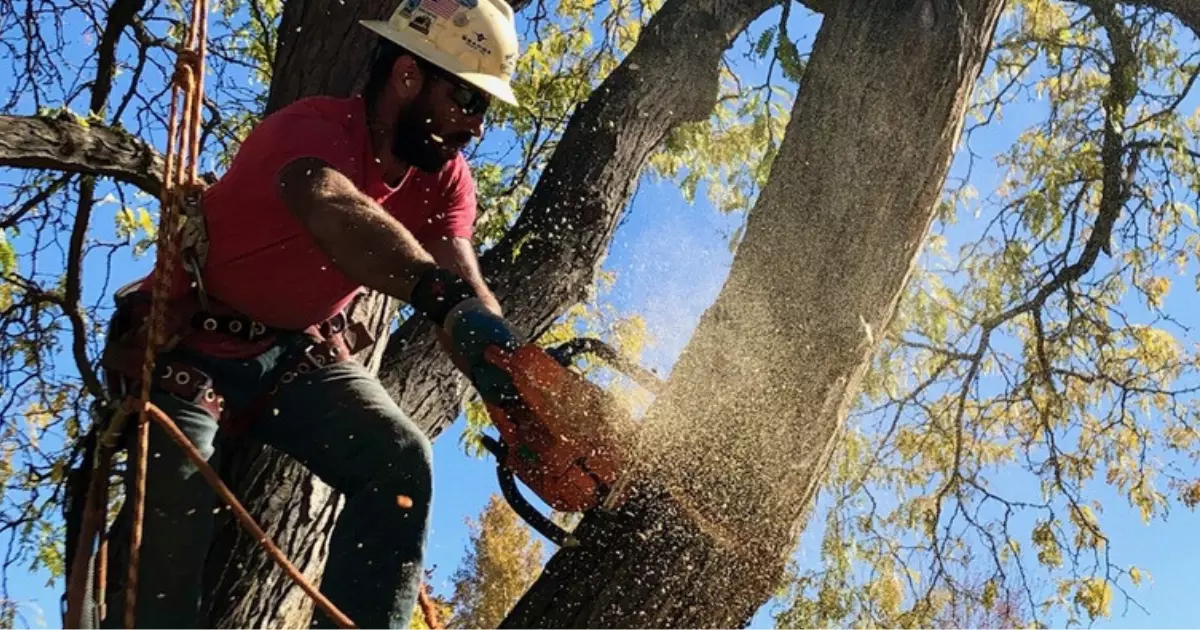
Tree cutting contractors help keep your yard safe. They cut down dead trees, trim big branches, and remove stumps. They also clean up the mess afterward. Their job is to stop trees from falling and causing damage to homes, cars, or power lines. They may work alone or as part of a tree service company that employs certified tree care professionals.
These workers know how to spot weak or sick trees early. They use special tools and safety gear to do the job right. Whether it’s a small trim or full tree removal, they make sure it’s done safely. If a storm hits or a tree looks risky, calling a tree cutting contractor is a smart move. And if the issue is complex, like disease or deep root damage, they may refer you to an arborist for a tree health assessment.
Why Property Owners Need Tree Cutting Contractors
Trees can look strong, but they don’t always stay that way. Storms, disease, or old age can make them weak or unsafe. One falling branch can break a roof, smash a car, or hurt someone. Tree cutting experts help stop that from happening. They check trees for damage, trim dead branches, and remove trees that are too risky to keep. They know which type of tree cutting you need—whether it’s regular trimming, structural pruning, or complete removal.
That’s why many homeowners turn to local tree service experts when safety’s on the line. With the right tools and training, they keep your yard safe and your trees healthy. If you want to avoid costly damage or danger, hiring a tree cutting contractor is the smart choice.
How Tree Cutting Contractors Prevent Property Damage
Not all tree problems are easy to spot. Some trees may look healthy but are rotting from the inside out. Others might grow too close to power lines, rooftops, or fences—waiting for one strong wind to cause real damage. Many homeowners don’t notice these risks until it’s too late.
That’s where tree cutting contractors make a big difference. In places like Colorado, where sudden storms and heavy snow can turn risky trees into real hazards, experienced tree cutting contractors play a vital role. With trained eyes and the proper tools, they catch problems early and take steps to keep your property safe. Here’s how they do it:
Spot hazardous trees early
Tree cutting specialists are trained to find warning signs that most people miss. They check for cracks in the trunk, weak branch connections, dead wood, and signs of disease or insect damage. They also look at where the tree is growing—like near power lines or leaning toward your home.
Some companies work with licensed arborists who can provide a full tree health diagnosis if needed. Early tree care also helps keep trees healthy longer, which saves you money and stress in the long run.
Use controlled cutting techniques
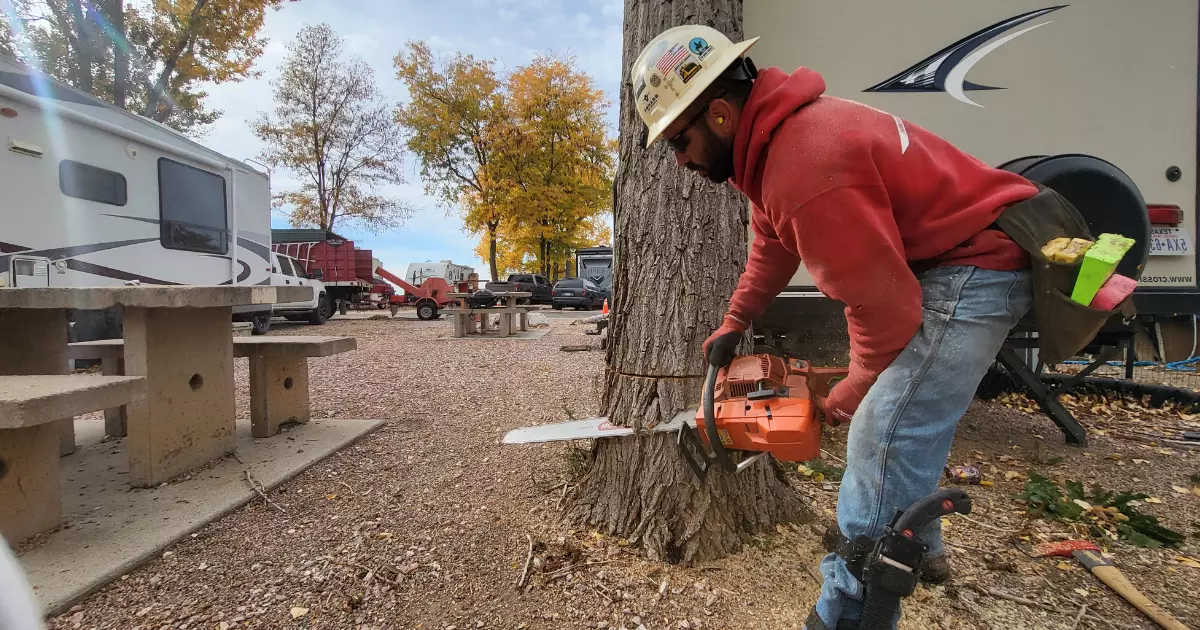
Cutting down a tree isn’t about making it fall—it’s about making it fall the right way. Tree cutting professionals use top quality equipment, special tools, and controlled cutting methods to guide how the tree drops. This prevents it from crashing into buildings, fences, or nearby trees.
Whether they’re trimming large limbs or removing entire trees, they always focus on safety. They are trained to handle tough trees and hard-to-reach spots. This helps them do the job safely and avoid more problems. If the job is risky, like cutting near power lines or on a busy property, they use special tools. Sometimes, they even use cranes to help cut the tree.
Respond quickly to storm damage
After heavy rain or strong winds, trees can snap, split, or fall. Broken limbs and damaged trees become safety hazards fast. Tree cutting experts know how urgent this can be. That’s why many offer emergency tree removal services. They arrive quickly, assess the damage, and remove risky trees or branches before they fall.
Even if a tree looks fine after a storm, tree cutting contractors can spot structural damage you may miss. Acting fast helps prevent further property damage and protects your family from harm.
Handle cleanup and disposal safely
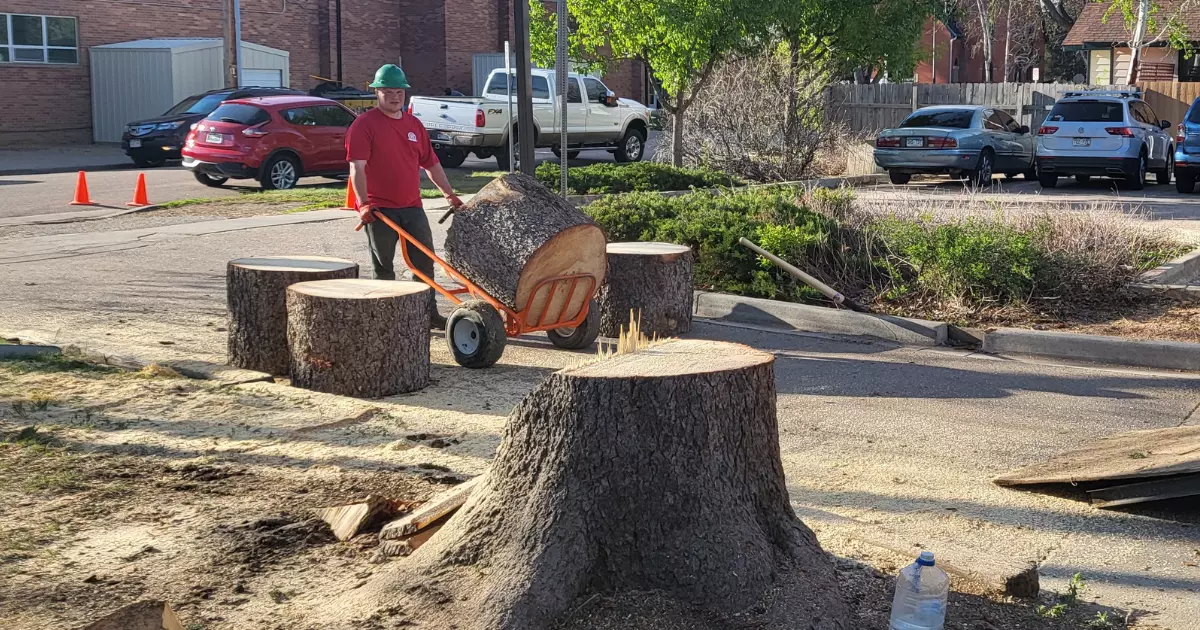
Tree work doesn’t stop at cutting. Once a tree or branch is down, it leaves behind a mess—logs, limbs, sawdust, and even the stump. Contractors take care of the full cleanup. They haul away the debris and remove the stump, leaving your yard clean and clear. With the right equipment and crew, they handle heavy lifting so you don’t have to. This makes the whole process safer, easier, and more complete.
When Should You Call One In?
Trees don’t always show clear signs when something’s wrong. But waiting too long can lead to damage that costs a lot more than a service call. That’s why it helps to know the warning signs and common times to bring in a tree cutting contractors.
These experts know when a tree needs care, trimming, or full removal—and the sooner they act, the safer your home stays. And if the tree’s health is in question, many tree service companies work with licensed arborists to give you a clear answer.
Visible damage or disease
If a tree has cracked bark, broken limbs, or fungus growing on it, something’s not right. These are signs of disease, decay, or deep damage. Left alone, damaged trees can fall or drop limbs. A tree professional can check the tree’s health and decide if it needs pruning or full removal.
Overhanging branches
Branches hanging over roofs, driveways, or play areas are risky. They can snap during storms or even fall on calm days. Tree trimmers can cut them back safely without harming the rest of the tree. Regular trimming keeps trees healthy by removing weak or dead growth, helping them grow stronger and look better.
Root interference
Tree roots can grow under sidewalks, driveways, and even your home’s foundation. This can cause cracks, tilting, or other serious problems. If you see roots pushing up concrete or breaking through soil, it’s time to call in a pro. They’ll know how to handle it without damaging your property.
Before/after a major storm
Strong winds and heavy rain can turn trees into hazards. Before a storm, tree cutting contractors can trim weak branches or remove risky trees. After the storm, they can remove fallen trees and assess any damage. Emergency tree service is the fastest way to keep your yard safe in tough weather.
Seasonal inspections
Regular tree checkups catch problems early. Tree service companies can inspect your trees during the year, especially in spring and fall. These checks help spot dead wood, disease, and storm damage before they become bigger issues. Think of it as a check-up for your trees.
How to Choose a Reliable Contractor for Tree-Cutting
Not all tree companies are the same. Some are skilled and safe. Others cut corners—and that can lead to more damage than the tree itself. Choosing the right tree cutting contractors means looking for clear signs of trust, skill, and safety. Here’s how to choose a local tree service company you can count on.
License and insurance check
Always ask if the company is licensed and insured. A certified arborist follows state rules and safety standards. Insurance protects you if something goes wrong. This includes liability insurance and workers’ compensation insurance. Without it, you could end up paying for damage or injuries.
Online reviews and local recs
Look for tree removal experts with strong online reviews and local referrals. Check websites, social media, and Google listings for customer feedback. Ask neighbors or friends for names they trust. A company with a good local record is usually safer, faster, and more reliable.
Compare quotes, but don’t chase cheap
It’s smart to get a few quotes, but the lowest price isn’t always the best deal. A super low quote may mean shortcuts or old equipment. Ask what’s included, like debris removal or stump grinding. Look for fair pricing, not cheap numbers.
Ask about equipment and safety protocols
Tree work can be dangerous. That’s why it’s important to ask what tools and safety steps the team uses. Do they wear helmets and harnesses? Do they use the right equipment for large or hard-to-reach trees? Good tree specialists are always focused on doing the job right—and doing it safely.
Frequently Asked Questions
How much does tree-cutting usually cost?
The cost of tree removal depends on a few things. These include the tree’s height, location, and condition. Larger trees or ones in hard-to-reach areas usually cost more. On average, tree cutting can range from $150 to over $2,000. Stump grinding costs extra. Always ask for a detailed quote so you know what’s included.
Do tree cutting contractors handle debris cleanup?
Yes—most tree removal services include cleanup. This means they take away branches, logs, and wood chips from tree cutting. Some even partner with a junk removal company to handle larger cleanups or leftover yard waste. Many also offer stump grinding or full stump removal. Always ask ahead to make sure cleanup is part of the deal.
Can they cut trees near power lines?
Yes, but only if they’re trained to do it safely. Cutting trees near power lines is dangerous. It should only be done by tree removal specialists with the proper equipment and safety training. Some jobs may need help from the local utility company, too.
Will my homeowner’s insurance cover it?
Sometimes. If a storm knocks down a tree and it damages your home or blocks your driveway, your policy may cover it. But insurance might not pay if the tree was already dead or poorly maintained. Ask your provider about coverage for emergency tree removal services.
Should I prune or fully remove my tree?
It depends on the tree’s health and risk. If the tree has a few dead branches, pruning may be enough. But if it’s leaning, rotting, or causing root problems, full removal might be safer. A licensed arborist can inspect it and give expert advice.
Wrapping Up
Tree cutting contractors play a big role in keeping homes, families, and yards safe. They don’t just remove trees—they stop problems before they start. From spotting weak branches to clearing out damaged trees after a storm, their work protects your property from serious damage. They also help keep trees healthy, strong, and looking great all year long.
If you’ve been worrying about a leaning tree, dead branches, or roots getting too close to your home, now’s the time to act. Let’s make sure your yard is safe and your trees are in the best shape possible.
At Precision Timber Felling, we handle it all—fast, safe, and with care. We lead a team that shows up on time, gets the job done right, and cleans up afterward. Whether it’s trimming, removal, or emergency tree service, we’re ready to help.
Ready to protect your property and get peace of mind? Call +1 970-218-1620 and let’s talk. Your trees—and your safety—deserve it.